
Eastern Siberia: an underrated market the size of Australia
Eastern Siberia equals Australia in area — among the world's countries it would rank seventh — with fewer people than Mozambique. Timber, diamonds, gold, coal, copper, tin, oil, gas, uranium: everything but people and roads. Four centuries of the world's longest pipelines and largest diamond pits, and the land "remains, as it was, vast and relatively empty".
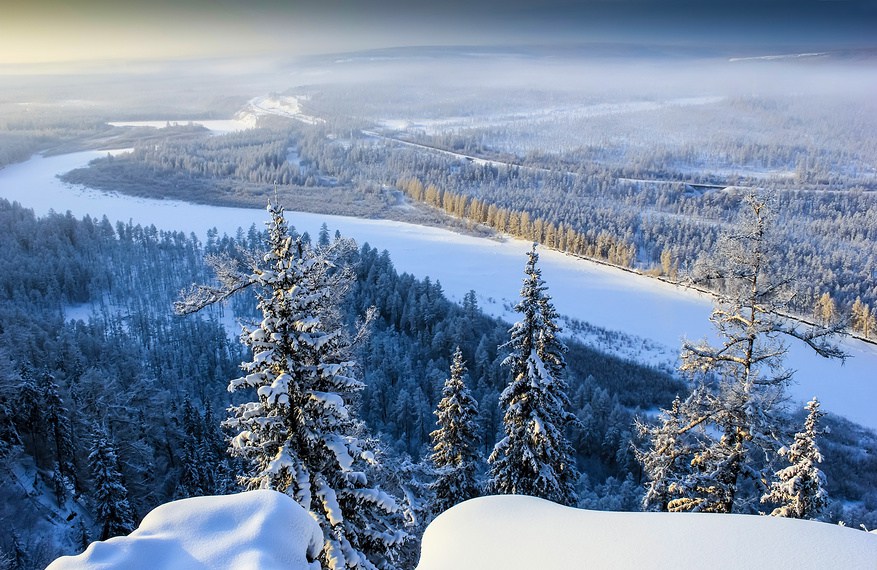
Where it is and what it looks like
Geographically, Eastern Siberia runs from the Yenisei basin to the Pacific watershed — not the same as the administrative Siberian Federal District. When you think about markets, geography beats bureaucratic borders.
North to south, three worlds: arctic desert, humid taiga, steppe. Terrain and rivers have shaped economy, migration and trade routes here for centuries.
How Russia moved east
The eastward advance was astonishingly fast — "from the Urals to the Pacific in just over half a century". Forts first, then hunters, settlers and fugitives, the zemleprokhodtsy who planted villages and trading posts. Silver, lead and copper were found around 1700; gold rushes followed.
Siberia was also Russia's place of exile. The most famous exiles were the Decembrists, who rose on 14 December 1825 in St Petersburg and were sent to Irkutsk. Exile was "as much an economic development policy as a penal policy": wherever people were sent, towns appeared.
Why development always lags
Two words: distance and weather. In the 19th century Moscow to Yakutsk took over three months. Today it is −40°C in winter and scorching in summer; building and keeping roads is brutally expensive.
Real development began with the Trans-Siberian Railway (1892–1905): where the rails went, cities, farming and industry followed. The BAM pushed the network east; the Severomuysky tunnel took over fifteen years and opened only in 2001. But the BAM was built mainly for military reasons with little civilian planning — hence its weak economic return.
Two cities Chinese business should remember
Yakutsk: −40 in winter, no year-round road, yet population and economy grow slowly. It is the regional base of Alrosa, which produces a large share of the world's rough diamonds. The nearby Mir pit was once the largest on earth, about 1.2 km wide and 500 m deep; airspace above it was closed because the downdraft could "suck in" a helicopter. Open-pit mining stopped in 2004, then moved underground.
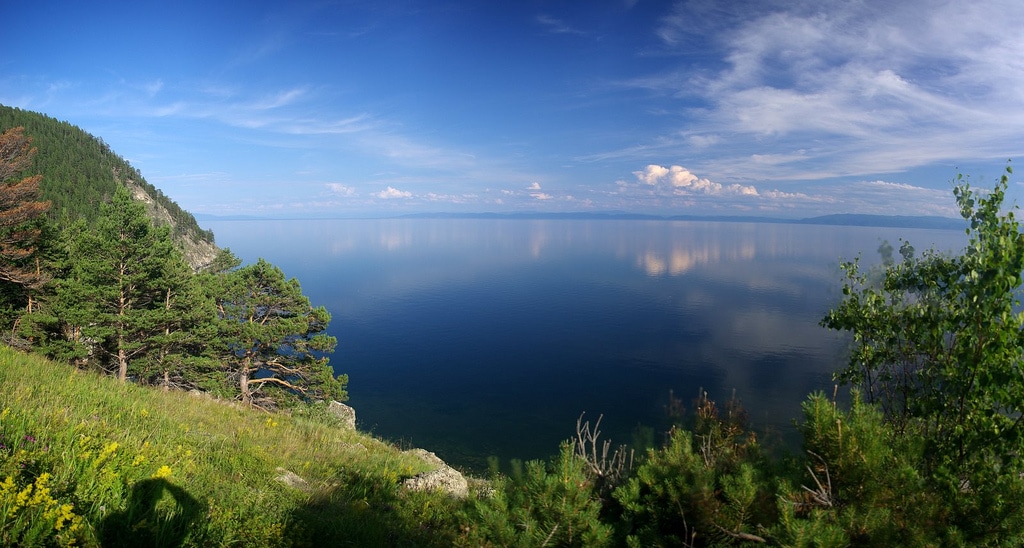
Irkutsk: the key logistics node of China–Russia trade. China is now Russia's largest trading partner (third when the original was written in 2009), and a huge freight flow reaches the Trans-Siberian via Irkutsk. Next door is Lake Baikal, the deepest (about 1,640 m) and oldest (about 25 million years) freshwater lake on the planet.
Pipelines, forests, fields
The ESPO pipeline from Taishet to the Pacific was built for China and Japan. When the original was written, phase one was unfinished; today both phases and the Daqing spur are running — one of the main arteries of China–Russia energy trade. Seismic risk and Baikal remain sensitive topics.
Southern Eastern Siberia suits agriculture, ranching is growing in Zabaikalye, yet farm potential is untapped. Its forest reserves are among the largest in the world — and the biggest buyer of paper and wood next door is China.
A hundred and twenty peoples
Over 120 nationalities live here, many still nomadic and needing open land. Some are barely studied: Kets about 700 people, Nganasans about 800, Enets about 200. The Ket language resembles Basque, North American and Caucasian languages — its origin is still a mystery.
What it means for a Chinese supplier
This article sits on a China–Russia trade platform because it makes one thing clear: Russia is not one market but several. Moscow and St Petersburg are one world. Siberia and the Far East are another — vast, sparsely populated, short of suppliers and expensive, yet right next to China.
Three conclusions for a Chinese factory. First, logistics by land: via Irkutsk onto the Trans-Siberian is far closer than shipping to Moscow and distributing back. Second, demand is basic: building materials, spare parts, tools, everyday goods — where supply is thin, what sells is steady supply, not novelty. Third, little competition: most Chinese sellers look at Moscow, while Siberian buyers cannot find a supplier.
The original concluded that developing Siberia requires "considerable international cooperation". Seventeen years on, Russia's main partner here is, in practice, China.